Accommodation container
In recent years, modular living solutions have become increasingly popular due to their flexibility, affordability, and quick installation. One of the most innovative approaches is using shipping containers as living or working spaces. Many people ask, how to install an accommodation container? This process involves several important steps, from site preparation to final inspection, ensuring that the container is both functional and safe for occupancy.
The first step in installing an Accommodation Container is selecting a suitable location. The ground should be stable, level, and capable of supporting the weight of the container, which can exceed several tons. Ideally, the site should be easily accessible for delivery trucks and cranes. Soil tests or ground reinforcement may be necessary if the terrain is soft or uneven. Proper site preparation ensures that the container will remain stable over time and prevents structural issues caused by shifting ground.
Once the site is ready, the next step in the installation of an Accommodation Container is preparing the foundation. Depending on the intended use and local regulations, foundations can range from simple concrete pads to more complex pier or slab systems. A solid foundation is essential to prevent settling or tilting. It also helps with water drainage and keeps the container elevated, protecting it from moisture and corrosion. Precision during foundation work is crucial, as even small deviations can affect the alignment and structural integrity of the container.
Transporting the Accommodation Container to the site is another critical aspect. Specialized trucks and cranes are typically used to move the container safely. Proper handling during transport and placement is essential to avoid damage to the structure. Positioning the container on the prepared foundation must be done carefully, using leveling tools to ensure it sits evenly. At this stage, minor adjustments can be made to align the container correctly, which is vital for subsequent installation steps like doors, windows, and interior finishes.
After the container is positioned, the focus shifts to securing it. Anchoring the Accommodation Container to the foundation helps prevent movement during strong winds, earthquakes, or other environmental conditions. Bolts, brackets, or other fastening systems are commonly used to achieve stability. This step is not only important for safety but also ensures that the container remains structurally sound over its lifetime. Proper anchoring is especially crucial for multi-container installations, where several units are stacked or joined together.
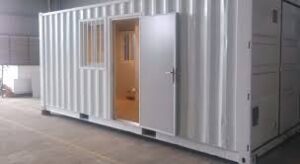
How to install an accommodation container?
The next step in installing an Accommodation Container involves connecting utilities. Electrical wiring, plumbing, and HVAC systems must be integrated according to local building codes and safety standards. Proper insulation, ventilation, and heating or cooling solutions are also essential to create a comfortable living or working environment. This stage often requires professional assistance, as improper installation can lead to hazards such as electrical fires, water leaks, or inefficient energy use.
Interior modifications are another important consideration when installing an Accommodation Container. Depending on the intended purpose, the interior can be customized with walls, flooring, ceilings, and furniture. Many people use multifunctional designs to maximize space efficiency. Attention to detail during interior installation ensures that the container is not only livable but also aesthetically pleasing. Features like built-in storage, lighting, and modern fixtures can make an accommodation container as comfortable as a traditional home or office space.
Exterior finishing also plays a role in the successful installation of an Accommodation Container. Painting, cladding, or adding weatherproof coatings can protect the metal structure from corrosion and improve visual appeal. Roof modifications, drainage systems, and possibly solar panels can also be integrated to enhance functionality and sustainability. Exterior adjustments are particularly important if the container will be used long-term or in areas with extreme weather conditions, ensuring durability and longevity.
Once the container is fully installed, a final inspection is necessary. Checking the foundation, utility connections, structural integrity, and interior finishing ensures that the Accommodation Container meets safety and quality standards. Any issues identified during the inspection can be corrected before occupancy. This final step is crucial to guarantee that the installation process has been completed correctly and that the container is ready for use.
Understanding how to install an accommodation container demonstrates that the process is both straightforward and complex, combining careful planning, technical expertise, and attention to detail. From site selection and foundation preparation to utility connections, interior customization, and final inspection, each step ensures that the container becomes a safe, comfortable, and functional space. With proper installation, an accommodation container offers a versatile solution for residential, commercial, or temporary housing needs, combining sustainability, affordability, and flexibility in one innovative package.
In conclusion, installing an Accommodation Container requires a series of carefully executed steps that ensure stability, comfort, and durability. By focusing on site preparation, proper foundation, secure positioning, utility integration, and both interior and exterior finishing, it is possible to transform a simple metal container into a fully functional living or working space. As demand for modular and eco-friendly housing solutions continues to rise, understanding the installation process is essential for anyone looking to embrace this modern and practical approach to housing.